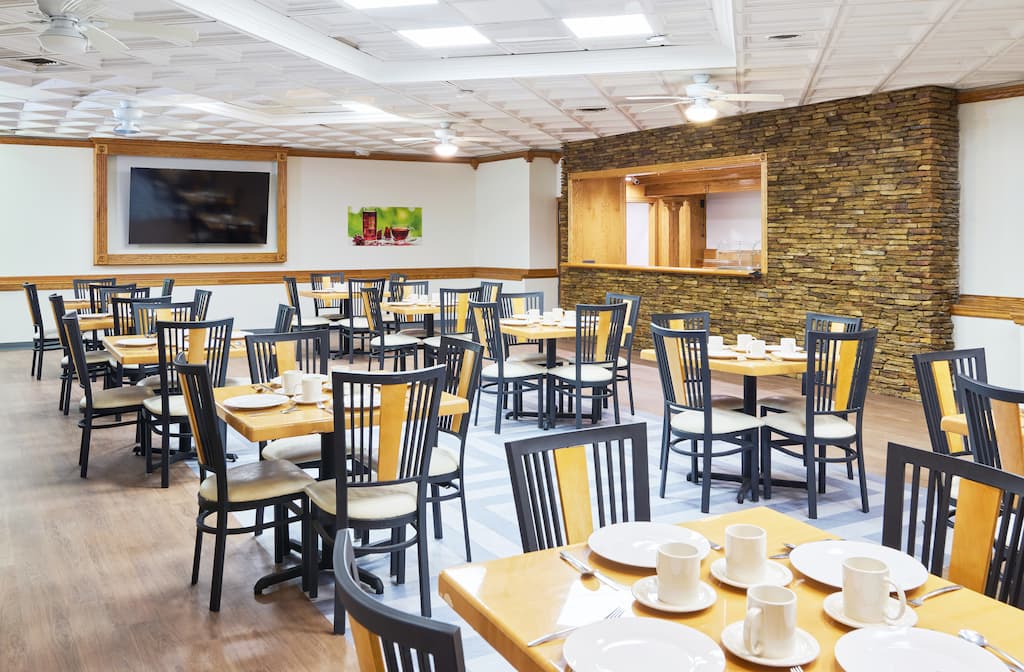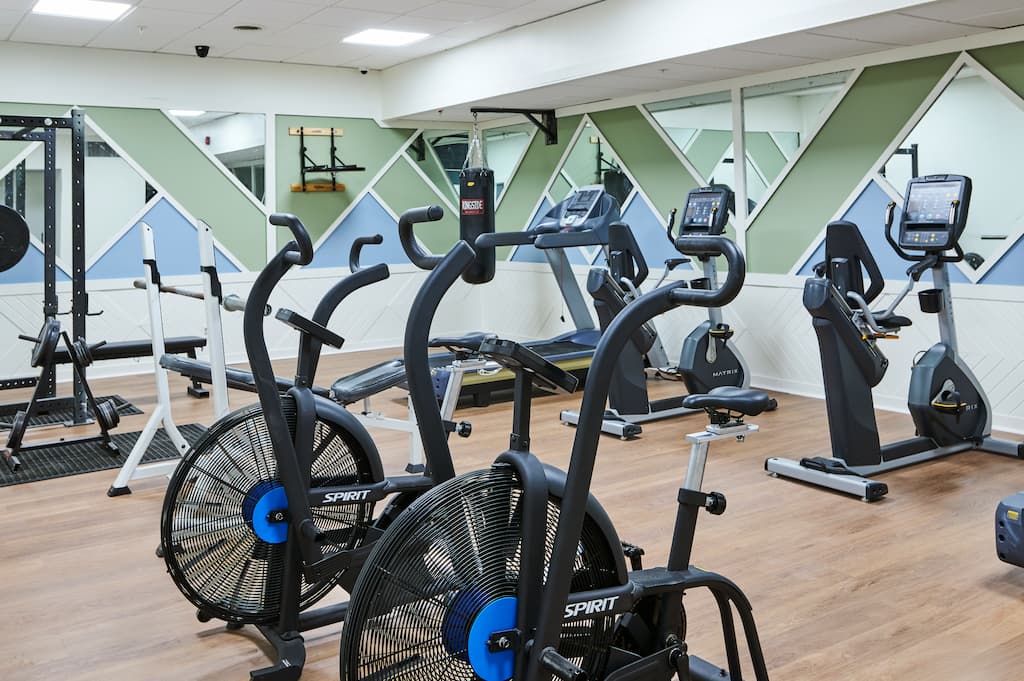
Solero Behavioral Transitions in Youngstown offers a safe, structured environment for adults managing substance use and mental health challenges. As a dual diagnosis outpatient program, we provide integrated treatment for individuals with primary substance use or mental health disorders. Our services include individual and group therapy, case management, and life skills training, designed to support long-term recovery and community reintegration.
Clients engage in professionally guided therapeutic activities that promote stability, healing, and resilience. Our compassionate care team creates a supportive atmosphere where individuals work toward substance use recovery mental wellness and in parallel.
Solero Youngstown serves voluntary adult clients aged 18 and older. Admission is based on a Level of Care Assessment and is open to individuals regardless of race, gender, or national origin who meet clinical criteria for substance use disorder or mental health treatment.
Our primary goal is to help clients achieve a healthier, more stable, and fulfilling life. Through individualized support for substance use disorder and integrated mental health treatment, we prepare each person to re-enter their community with renewed confidence and independence.
Our Mission:
At Solero Behavioral Transitions, our mission is to inspire hope and deliver holistic care to those in need of addiction services and mental health treatments in a contemporary and healing environment, one that is conducive to providing the life skills needed to regain stability and independence, utilizing a passionate and highly trained team of professionals.
Our Vision:
To be known as the premier provider of addiction and behavioral health services in the region, one that others look to as the lighthouse of excellence.




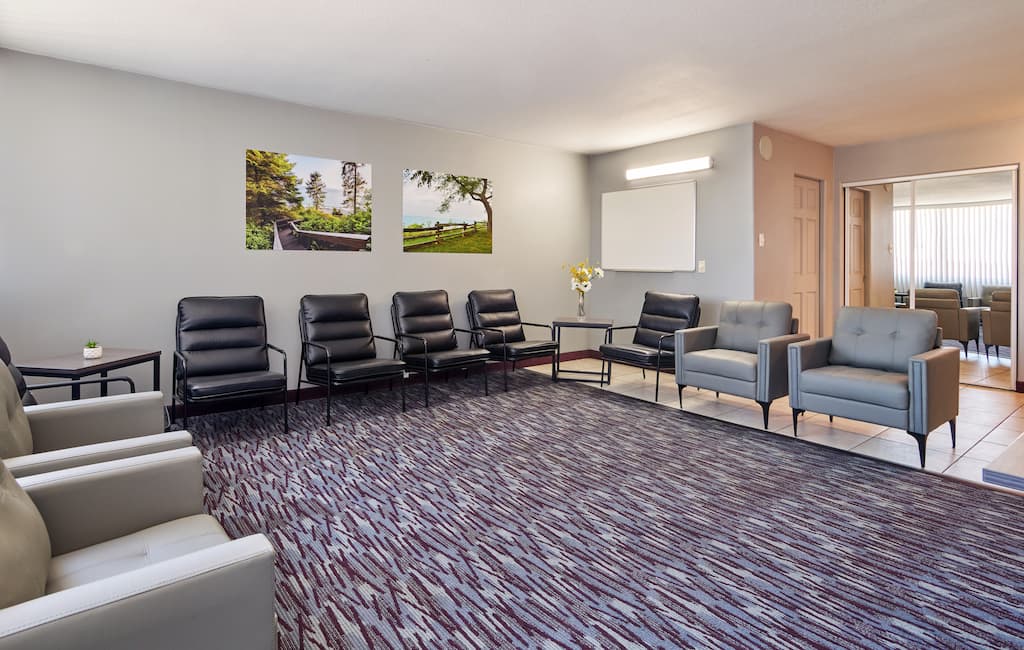

We are committed to producing the highest level of clinical outcomes for clients and their families. Solero Behavioral Transitions is a trauma-informed, non-coercive treatment program designed to treat individuals struggling with substance use disorder and mental health symptoms.
These are the core concepts that extend into many areas of a client’s life and help develop the foundations for recovery and recovery sustainability.
Solero Behavioral Transitions provides individualized treatment to all clients admitted to our programs. Evidence based therapies used include Cognitive Behavioral Therapy, Dialectical Behavioral Therapy, Life Skills Training and Trauma Informed Care. A wide variety of treatment modalities are used. The following treatment modalities apply to all core programs.
Employed for all clients. The approach is usually intensive, brief, and problem-specific, with short-term goals such as resolving a problem, making a decision, carrying out a procrastinated act, or reducing the effects of a symptom.
Focused group counseling session, which deals with issues identified by either clients or counselors. Emphasis is on emotional and behavioral issues, which affect clients with mental illness. Topics including identifying personal triggers, developing strategies to avoid triggers, improving and utilizing support systems, stress management, coping skills, anxiety, anger, self esteem, and communication. Individuals will be given homework assignments as well as group assignments to improve the ability to deal with challenging situations.
Designed to assist family members and clients in reorienting and restructuring relationship systems. This component involves family members in an education program, as well as counseling sessions. These sessions are supportive experiences providing opportunities to share and question aspects of the client’s care relative to family interaction and/or intervention of the client’s illness. The goal of the Family Program is to provide the family with opportunities to increase understanding and knowledge regarding mental illness, and to be assisted in enhancement of client and family stress management, communication, and leisure time skills. Client family members attend the Family Program during the client’s treatment stay.
The course of treatment has 2 distinct phases of care; the initial phase; Crisis Care Phase and the subsequent phase; the Treatment Phase. Progression through these phases is individual for each client and their needs.
Complete assessments and introduction to the program.
Complete assessments and introduction to the program.
Improve Functional Skill Sets
This is different for every client, may range from stress tolerance to daily living/organizational skills/relationship management
Improve Functional Skill Sets
This is different for every client, may range from stress tolerance to daily living/organizational skills/relationship management
The Treatment Plan provides the road map for which goals are agreed upon with the client and the treatment team. Treatment plans are individualized and specific to each client’s needs and desired goals. Individual work is assigned to each client. This independent work allows for continued work toward goals outside of the treatment groups and sessions. Treatment plans are reviewed with clients weekly and treatment goals are revised as needed.
An interdisciplinary team is involved in the daily treatment of our clients. Treatment team meets weekly and discusses client goals and treatment expectations.
A Psychiatric provider will complete a psychiatric evaluation to determine psychiatric diagnoses. Weekly rounds are completed by the psychiatrist (or his/her designee) along with frequent treatment teams to evaluate the progression of the client towards their treatment goals.
The Medical Provider completes a thorough client physical, including a comprehensive review of current medication. Collaborates with the attending provider on any medical issues that may contribute/impact their care.
Provide clinical assessments and group therapy and individual work with clients utilizing the evidenced based curriculum. The clinician will coordinate the completion of the multidisciplinary treatment plan. They will assist the client to create, implement and practice their Individualized Wellness Recovery Plan to maintain reduction in symptoms and enhance the quality of life. Assures all discharge care responsibilities are completed. They coordinate all communication with collateral entities for aftercare planning.
The milieu staff’s role is to monitor the client’s medical condition and behavior, provide safety and structure, and assure the implementation of the daily program.